In true Rabbit fashion, I had to write a full post about my issues with the Wheel of the Year before I could talk about the solstice this year. Feel free to read that first.
Seasonal holy days are solar holy days. At no time is this more apparent than the summer solstice. This time of the year here, the sun beats down on you so hot and heavy that even the full-sun flowers wilt. And for almost a year now, we’ve had a heavy drought that I’ve never felt so deeply.
I have noticed that many people celebrate the solar festivals in a vaguely binary way: sun good, dark bad; in the summer we celebrate the sun, and in the winter we wait for it to come back. Yet this high summer I find myself returning again and again to the destructive power of the sun, the overwhelming cruelty of the divine as it bears down on us. Last year, everyone I know’s gardens died off in July.
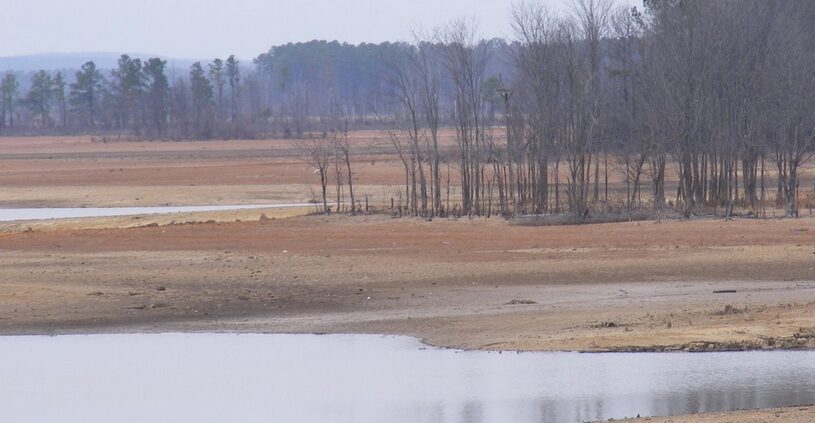
This is the lived reality of global warming. This isn’t the sun’s fault, of course, but you and I could have averted global warming as much as a fruit fly could turn the wind. It is a force we cannot control, only contend with. The water recedes from my watershed, leaving lakes low and dry, opening up cracked stretches of dirt and sand that have not been exposed to the sun in decades or centuries. Each rain is welcome but not enough.
The solstices are meaningful to me, not as the highest holy days in my mind, but as ends of the axis. High tide and low tide for the divine currents. In one of my traditions, this is the closest our world comes to the heavens, and the winter solstice is the closest our world comes to the underworld.
This year I find myself contemplating what it means for the summer solstice to be celebrated apotropaically. In the same way that there are rightful times to defend yourself or pray for mercy from divine or spiritual forces, so now I wonder what it looks like to build a tradition where we seek mercy from the sun.
The sun is not something that is typically defended against. There are few apotropaic works against the sun, though many working with it: As the Icelandic rune poem goes, it is the shield of the sky and destroyer of ice. For any help, perhaps we must consider the lives of the full-shade plants, those whose lives depend on warmth and the seasons but cannot bear the sun’s full weight. The various native ferns of the Piedmont come to mind, covering the forest floor and drinking in only the dappled light that slips through the oak and pine canopies. And mayapple grows from rhizome underground, sprouting upward to form little parasol networks with their leaves to protect their tender underbellies.
This summer, I hang ferns outside the house, and tell them to keep us as cool as the forest soil. I leave the juiciest, wettest berries on the bushes for the birds. I thank my house-spirit for its shelter. I celebrate the dawns and the late evenings, when everything outside is at its most alive.
Featured image is of the Falls Lake during the 2008 drought from Sunniviews. The current drought is comparable.